Sublimation Watercolor Background Review for Real Embroidery Projects
First Impressions: A Soft, Artistic Canvas for Custom Embroidery
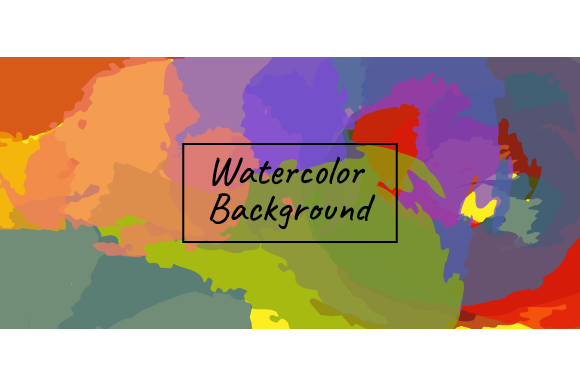
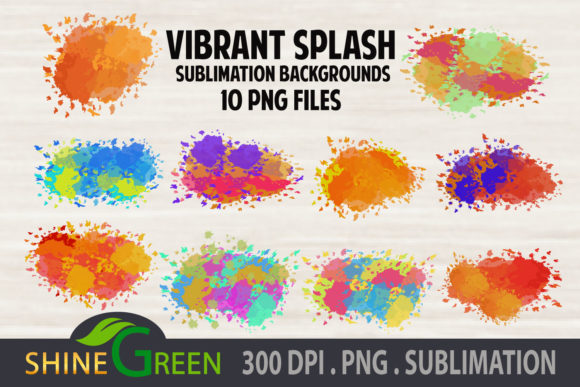
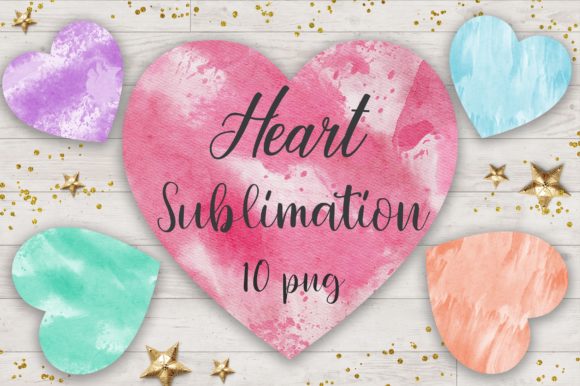
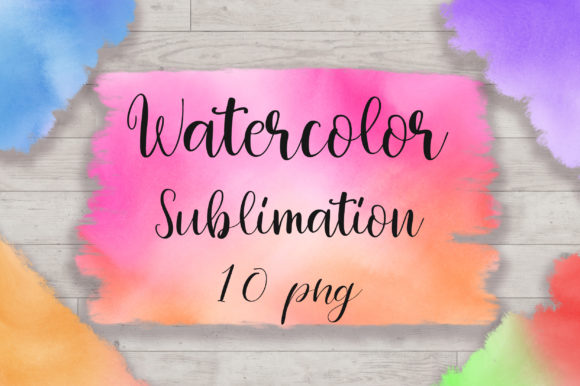
The Sublimation Watercolor Background strikes a delicate balance between artistic flair and practical design. At first glance, it feels like a painter’s canvas—soft washes of color blend gently, creating a dreamy, organic texture. This isn’t a bold or graphic design; it’s subtle, atmospheric, and perfect for projects that need a touch of elegance without overpowering the main embroidered subject.
As a designer, I immediately thought of how this background could work as a backdrop for monogrammed initials, botanical motifs, or even minimalist animal outlines. It’s not a focal point on its own but enhances the visual depth when layered with other embroidery elements.
Real-World Use: From Tote Bags to Baby Onesies
I tested the Sublimation Watercolor Background on a few different project types to see how it holds up in real use. Starting with a custom tote bag, I layered it behind a simple embroidered name in a contrasting thread color. The result was lovely—soft enough to not distract but present enough to elevate the overall look.
When I stitched it onto a baby onesie, the background added a gentle warmth without looking too busy. The watercolor texture softened the edges of the main design, making it feel more approachable and handmade. On a sweatshirt, the background worked well in the chest area, especially when paired with a satin-stitched heart or floral accent.
For Etsy sellers or crafters creating personalized gifts, this design could be a go-to option for adding a designer touch without complicating the stitching process.
Where to Use It Carefully: Fabric and Fit Considerations
While the Sublimation Watercolor Background is versatile, it’s not a one-size-fits-all solution. I noticed that on textured fabrics like denim or burlap, the softness of the background gets lost. The same goes for stretchy knits—stitch density can pull the fabric, distorting the watercolor effect.
Dark fabrics also change the mood. The background becomes more subdued and may not offer the same visual lift unless paired with light thread accents. On curved surfaces like baseball caps, the background needs careful placement to avoid distortion.
I wouldn’t recommend using it in small hoop sizes either. The detail gets compressed, and the watercolor effect loses its nuance. If you’re planning to use this in corners or tight spots, test it on scrap fabric first to see how the pattern holds up.
Design Impact: Elevating the Finished Product
One of the biggest strengths of the Sublimation Watercolor Background is its ability to elevate the perceived value of a finished product. Whether it’s a boutique tote or a personalized pillow cover, the background adds a layer of sophistication that makes the item feel more intentional and curated.
From a branding standpoint, this design works well for small shop owners who want to maintain a soft, artistic aesthetic across their product line. It’s not trendy or flashy—it’s timeless, which helps with brand consistency over time.
Customer reactions have been positive. People tend to notice the background as a subtle enhancement rather than a loud design choice. That makes it ideal for gifts, especially for those who appreciate understated beauty. It also helps build trust—when a buyer sees thoughtful layering like this, they feel more confident in the craftsmanship behind the product.
Practical Designer Notes: What to Check Before You Stitch
Before using the Sublimation Watercolor Background in a real project, there are a few practical steps I always take:
- Test on scrap fabric: Especially important if you're using a new fabric type or thread color combination.
- Check stitch density: Make sure the background doesn’t pull or pucker on the fabric you're using.
- Confirm hoop size compatibility: Don’t assume it fits your standard hoop—measure or preview digitally if possible.
- Review small details: Corners and fine edges can get lost on smaller items or dense stitching.
- Try black and white mockups: Helps you see the contrast and clarity before committing to color.
- Compare light and dark fabric previews: The background behaves differently depending on the base color.
- Use proper stabilizer: Especially important for stretchy or thin fabrics to prevent distortion.
- Check licensing terms: If you plan to sell finished items or digital product previews, make sure the design allows for commercial use.
Final Thoughts: A Thoughtful Addition to Your Embroidery Kit
The Sublimation Watercolor Background is not a flashy design—it’s more of a quiet enhancer. But that’s exactly what makes it valuable in a professional embroidery setting. It adds depth, emotion, and visual interest without overshadowing the main design elements.
For crafters, Etsy sellers, and small business owners, this background can be a smart tool for creating more polished, cohesive product lines. Whether you're embroidering a custom sweatshirt, a baby blanket, or a boutique tote, this design helps you deliver a more refined result.
Just remember: like any design element, it works best when used thoughtfully. Match it to the right fabric, test it before production, and layer it with intention. Done right, the Sublimation Watercolor Background can be the quiet secret behind your most elegant embroidery projects.