Red and Orange Floral Watercolor Pattern Review
First Impressions: A Vibrant, Artistic Design for Versatile Embroidery
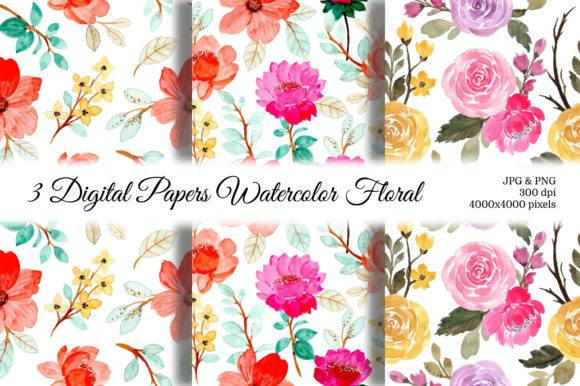
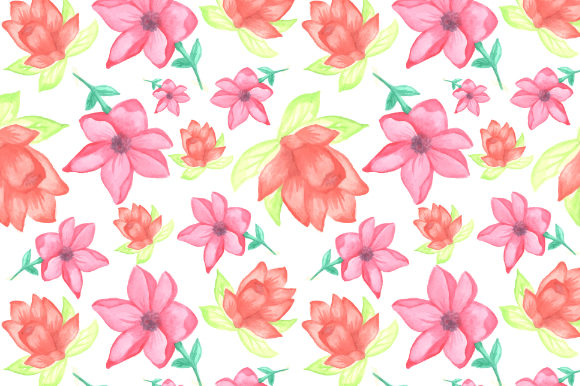
The Red and Orange Floral Watercolor Pattern immediately stands out with its painterly feel and warm color palette. It gives off a soft, organic energy—like a fresh brushstroke on fabric. The floral layout is balanced, not too dense, and carries a natural flow that feels both elegant and approachable. As a designer, this pattern strikes me as a strong contender for projects that need a splash of color without overwhelming the base material.
Its watercolor aesthetic makes it feel artistic and modern, ideal for handmade items that aim to blend craftsmanship with contemporary design. It’s the kind of embroidery pattern that could work for both casual and slightly upscale projects, depending on how it’s applied.
Real-World Use: From Tote Bags to Baby Clothes
I recently tested the Red and Orange Floral Watercolor Pattern on a custom tote bag and a baby onesie. On the tote, the design looked fantastic—soft enough to appeal to a wide audience, yet bold enough to make a statement. The color blending between red and orange gave it a sun-drenched warmth that felt inviting and cheerful.
On the baby onesie, the pattern added a subtle pop of personality without feeling too busy. The watercolor style softened the overall look, which is perfect for delicate fabrics. It also held up well when stitched onto a stretchy cotton blend, though I made sure to use a lightweight cutaway stabilizer to prevent distortion.
For personalized gifts or small shop products, this pattern would work well on tea towels, pillow covers, or even as a subtle accent on the corner of a sweatshirt. It has a universal appeal that could translate across multiple product types, from boutique apparel to Etsy-style home decor.
Where to Use It Carefully
While the Red and Orange Floral Watercolor Pattern is versatile, it’s not a one-size-fits-all solution. I noticed that on dark fabric, the lighter watercolor strokes can get lost, especially if the thread color doesn’t provide enough contrast. It’s worth testing on different backgrounds before committing to a final product.
Also, due to its softer edges and blending, the design may not be ideal for small hoop sizes or highly detailed embroidery projects. If you're stitching on a curved surface like a baseball cap, be sure to test how the pattern adjusts to the shape. The more delicate parts of the watercolor effect can get compressed or distorted if the hoop size is too tight.
For commercial embroidery projects, especially those involving high-volume production, I’d recommend checking stitch density and thread coverage. Some of the lighter strokes may not stitch out as clearly on textured or thick fabrics like denim or canvas unless proper stabilizers are used.
How It Boosts Product Value and Customer Appeal
One of the biggest pluses of the Red and Orange Floral Watercolor Pattern is its ability to elevate the perceived value of a finished product. It has that “handmade but professional” look that customers love—especially for boutique items or personalized gifts.
When I used it on a custom apron for a local café, the owner was thrilled with how it added a unique, artisanal touch without looking too casual. It helped reinforce their brand’s visual identity and gave the product a more curated feel. That’s a big win for small business owners who want to differentiate their offerings.
From a design perspective, the pattern’s color flow and floral motif make it easy to match with other design elements. Whether you’re layering it with text or combining it with other motifs, it maintains a cohesive look. That’s a huge plus for Etsy sellers or digital product creators who want to build a consistent visual brand.
Designer Notes: What to Check Before Stitching
- Test on scrap fabric first—especially if you're using stretchy or textured materials.
- Check thread color contrast against light and dark backgrounds to ensure visibility.
- Review stitch density before embroidering on thick or layered garments.
- Confirm hoop size compatibility—especially if you're using a small hoop.
- Inspect small details in the watercolor effect to make sure they stitch cleanly.
- Use proper stabilizer depending on fabric type—cutaway for stretchy fabrics, tear-away for stable cottons.
- Test in black and white mockups to see how the design translates without color.
- Verify licensing if you plan to sell the finished product or use it in digital mockups.
Final Thoughts: A Solid Choice for Creative Embroidery Projects
The Red and Orange Floral Watercolor Pattern is a well-balanced design that brings warmth, style, and flexibility to a wide range of embroidery applications. It’s not overly complex, but it still feels unique and artistic—perfect for crafters, Etsy sellers, and small business owners looking to add a touch of handmade charm to their products.
Whether you're creating a custom embroidered sweatshirt, a personalized baby blanket, or a boutique tote bag, this pattern holds up well and adds visual interest without overwhelming the design. Just be mindful of fabric type, hoop size, and thread contrast to ensure the best results.
Overall, it’s a smart addition to any embroidery designer’s toolkit—especially if you're aiming for a design that’s both expressive and marketable.