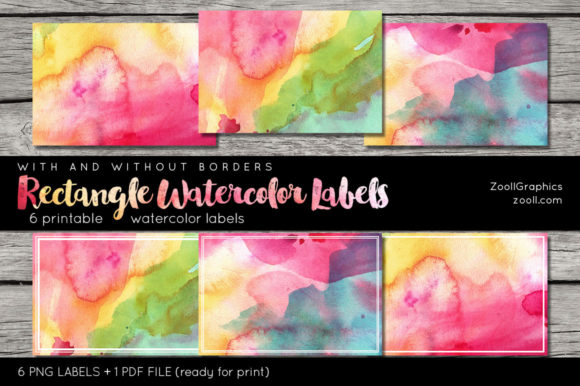
Rectangle Watercolor Labels: A Designer’s Honest Review for Real Embroidery Use
First Impressions: Soft, Versatile, and Ready for Customization
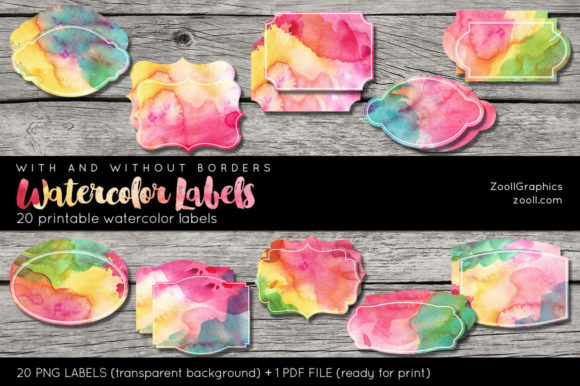
When I first opened the Rectangle Watercolor Labels embroidery file, I was struck by how effortlessly it balances a hand-painted feel with clean, structured layout. The watercolor aesthetic brings a soft, organic texture that feels both modern and timeless—perfect for crafters and Etsy sellers looking to elevate their handmade product line. The rectangular shape makes it ideal for labeling embroidered items like tote bags, baby clothes, and personalized gifts without overwhelming the overall design.
What stands out immediately is how adaptable this design appears. The muted color palette and painterly strokes suggest it would blend beautifully with both minimalist and more detailed embroidery projects. It feels like a natural fit for small business merchandise, boutique branding, or even as a subtle tag on nursery decor.
Putting It to Use: Real Embroidery Projects and Practical Fit
I tested the Rectangle Watercolor Labels on a few different materials to see how it holds up in real-world applications. Starting with a custom embroidered tote bag, I placed the label on the corner for a boutique-style finish. The design stitched cleanly, with enough detail to catch the eye but not so dense that it added unnecessary bulk. The satin and fill stitches handled the cotton canvas well, and the edges remained crisp.
Next, I tried it on a sweatshirt for a personalized gift. The soft watercolor effect gave it a subtle elegance that worked surprisingly well on thicker fabric. It didn’t get lost in the texture, which is a win for those using it on heavier garments like hoodies or baby blankets. I also tested it on a curved surface—specifically a baseball cap—and found that the rectangular format required careful hooping to avoid distortion. It still worked, but it's something to keep in mind when planning placement.
Where It Shines—and Where to Be Cautious
This design excels on flat, stable fabrics like cotton, linen, and tightly woven blends. It’s especially effective for embroidered patches, tea towels, aprons, and pillow covers. The watercolor style adds visual interest without competing with other design elements, making it a great choice for layered embroidery or as a standalone accent.
However, there are a few scenarios where caution is needed:
- Small hoop sizes: The corners and detail work may get compressed or distorted if the hoop is too tight.
- Stretchy or thin fabrics: The satin stitches may pucker or sink into the fabric unless proper stabilizer is used.
- Dark fabric backgrounds: Some of the lighter watercolor strokes may not show up clearly unless thread colors are adjusted.
- Detailed corners: The rounded edges and soft strokes look beautiful but can be tricky to maintain on curved or layered surfaces.
It's also worth testing on mockups—both digital and physical—before committing to a full run of products. I found that the design works especially well in black and white previews, which helped me visualize how it might look on different fabric tones before stitching.
Impact on Product Value and Customer Appeal
From a design and business perspective, Rectangle Watercolor Labels has the potential to enhance the perceived value of your finished product. Its artistic yet understated look makes it ideal for Etsy sellers and small shop owners who want to add a professional touch without appearing mass-produced.
When I used it on a personalized baby blanket, the label gave the piece a boutique-level finish that felt both handmade and high-quality. For customers, that kind of attention to detail builds trust and encourages repeat purchases. It also works well as a branding element—especially for those selling embroidered items online or at craft fairs.
On the flip side, if you're planning to use this in commercial embroidery, be sure to check licensing terms before selling finished items or including it in digital product bundles. Also, review the stitch density to ensure it's suitable for frequent washing, especially on apparel or kitchen linens.
Designer Notes: What to Test Before Finalizing
Before adding Rectangle Watercolor Labels to your next embroidery project or product line, here are a few practical steps I recommend:
- Test on scrap fabric first—especially if you're using textured or stretchy materials.
- Check thread color contrast against both light and dark backgrounds to ensure visibility.
- Confirm hoop size compatibility to avoid distortion, especially in the corners.
- Inspect small details under magnification to make sure the watercolor strokes remain clear after stitching.
- Use the right stabilizer based on your fabric type—cutaway for stretchy materials, tear-away for stable cottons.
- Test in black and white mockups to assess contrast and visual balance.
- Verify licensing terms if you plan to sell finished items or digital embroidery bundles.
Overall, this machine embroidery design is a versatile and visually appealing asset for anyone creating custom apparel, personalized gifts, or small business merchandise. It pairs well with both simple and complex embroidery files and holds its own in digital mockups and printable product previews.
Final Thoughts: A Smart Choice for Creative Makers
Rectangle Watercolor Labels is more than just a decorative element—it's a functional design asset that brings a touch of artistry to real embroidery work. Whether you're a hobbyist, a digital product seller, or a small shop owner, this design offers flexibility, visual appeal, and a professional finish that customers will appreciate.
If you're looking for a subtle yet distinctive label that enhances your embroidered creations without overpowering them, this one is definitely worth adding to your design toolkit.